Corner 8th Street & 180 Samora Machel Avenue, Harare, Zimbabwe Mon – Fri: 07:30 – 17:30
Proven Performance

Ten Stops From 100 km/h — The Heat Test

  • 10 consecutive stops were performed from 100 km/hr – 0 km/hr with a 20-second interval between each stop.
  • Maximum pedal pressure was applied to achieve deceleration of 9 m/s² (just before lock-up).
  • Brake pads reached 100 °C after the first stop and increased to temperatures between 550 – 600 °C by the 10th stop.
  • The stopping distance for each stop was recorded.
41m
Safeline
full stop

Safeline came to a complete stop at 41 m, whilst the vehicles fitted with competitor pads were still travelling at the following speeds:

  • Competitor A — 17 km/hr
  • Competitor B — 39 km/hr
  • Competitor C — 61 km/hr
Stopping distance test — Safeline brake pads versus competitor pads
Never Ignore These

Eight Warning Signs You Should Not Drive Past

If you notice any of these, book an inspection immediately — each one gets worse and more expensive the longer it runs.

Monthly DIY Check

The Ten-Minute Safety Check

Do this once a month, or before any long trip to Bulawayo, Mutare or Victoria Falls. It costs nothing and catches most brake problems before they become failures.

Book A Full Inspection
1
Check brake fluid level Look at the reservoir against the max/min lines. Dark, discoloured fluid is overdue for a change.
2
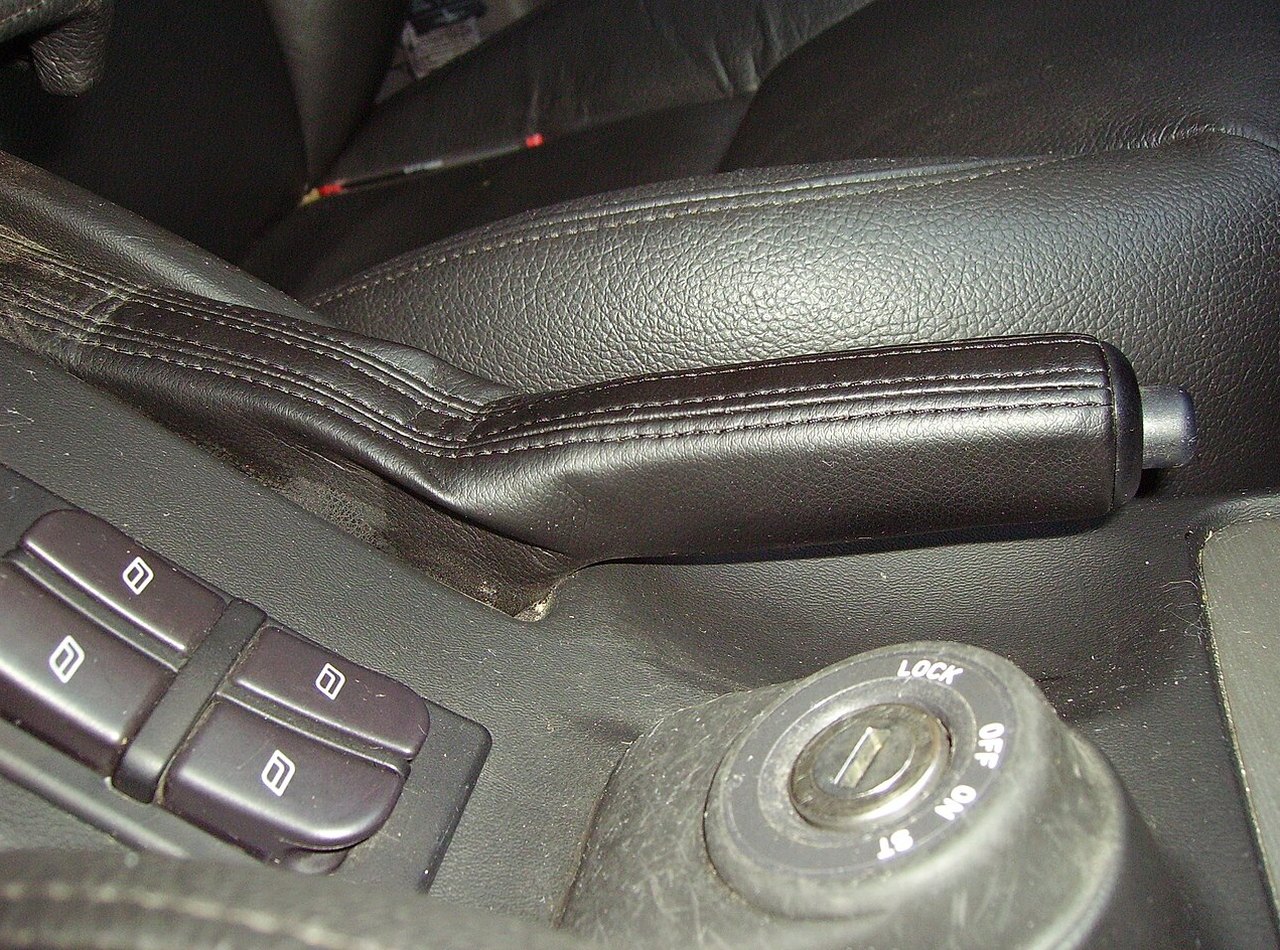
Test the handbrake Count the clicks. If it goes much higher than before, it needs adjustment.
3
Look at pad thickness Use a torch through the wheel spokes. Less than 3mm of friction material means book in now.
4
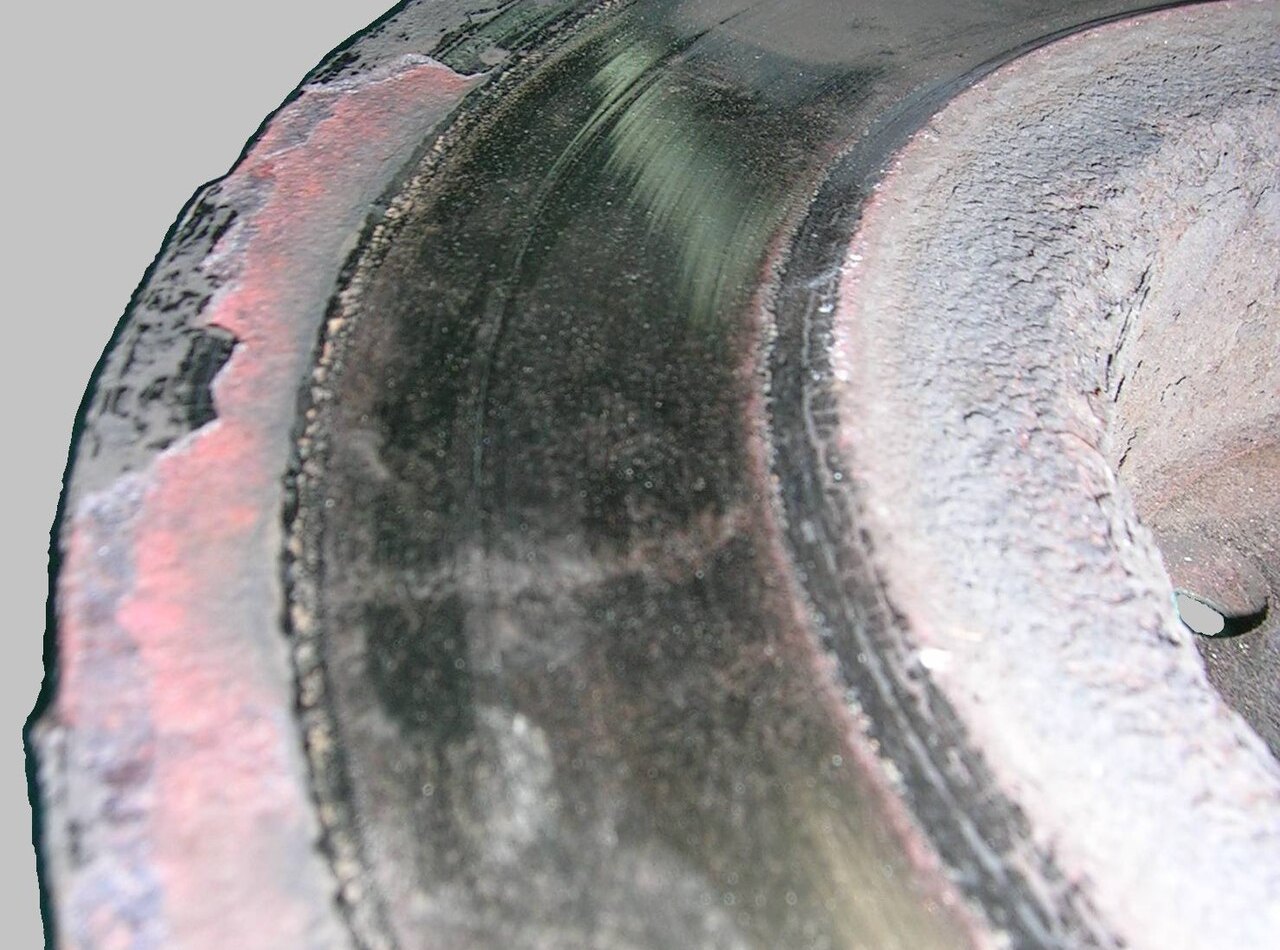
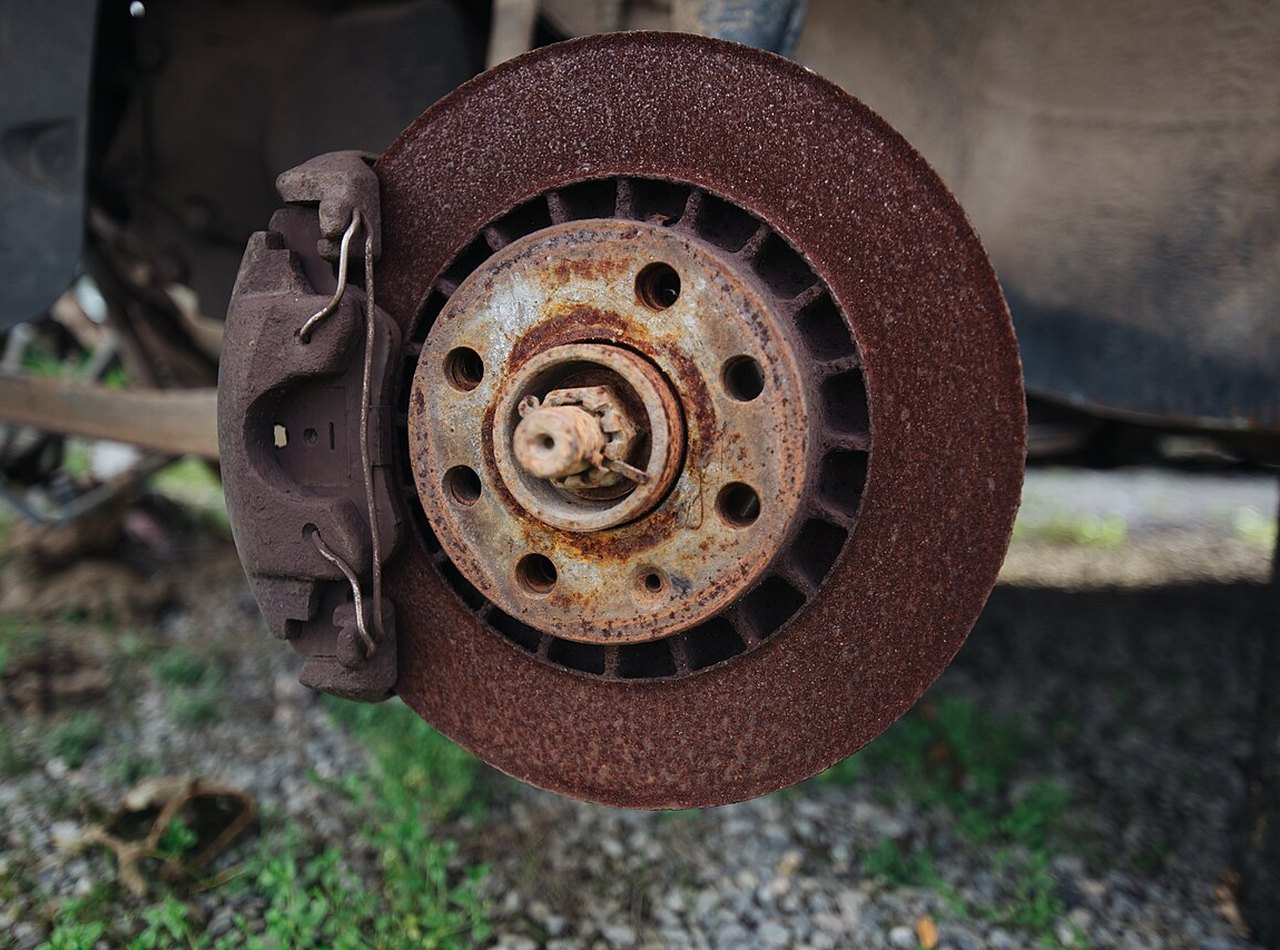
Feel the disc face Deep scoring or a pronounced lip on the edge means resurfacing or replacement.
5
Check your tyre pressures Wrong pressures change braking balance — check cold, including the spare.
6
Inspect tread depth Insert a 1.6mm gauge between the tread blocks. Below that, tyres are illegal and dangerous.
7
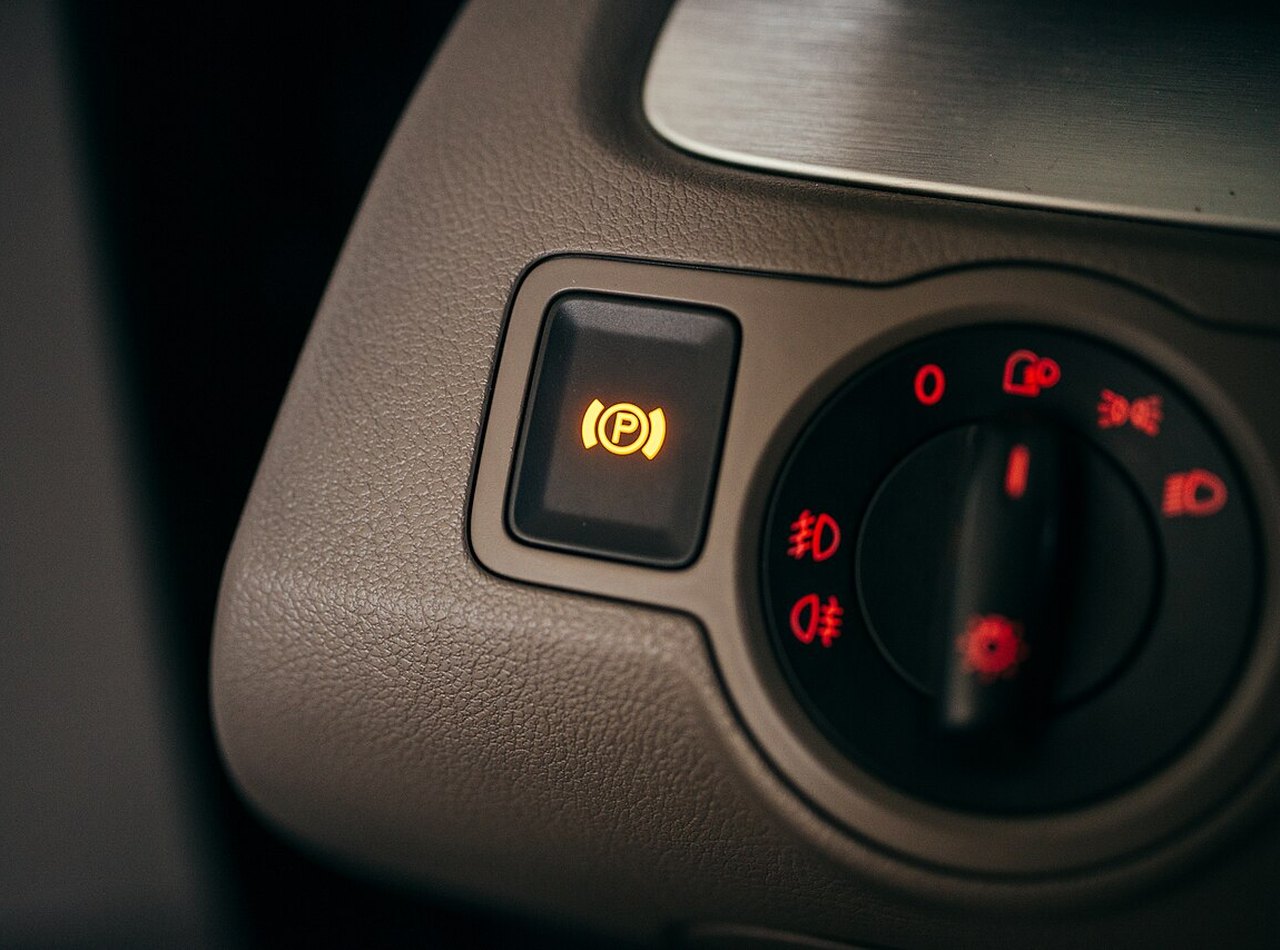
Watch for EPB messages Any dash message about the parking brake needs a diagnostic scan, not a guess.
8
Listen while braking gently Any new squeak, click or scrape deserves a proper inspection.
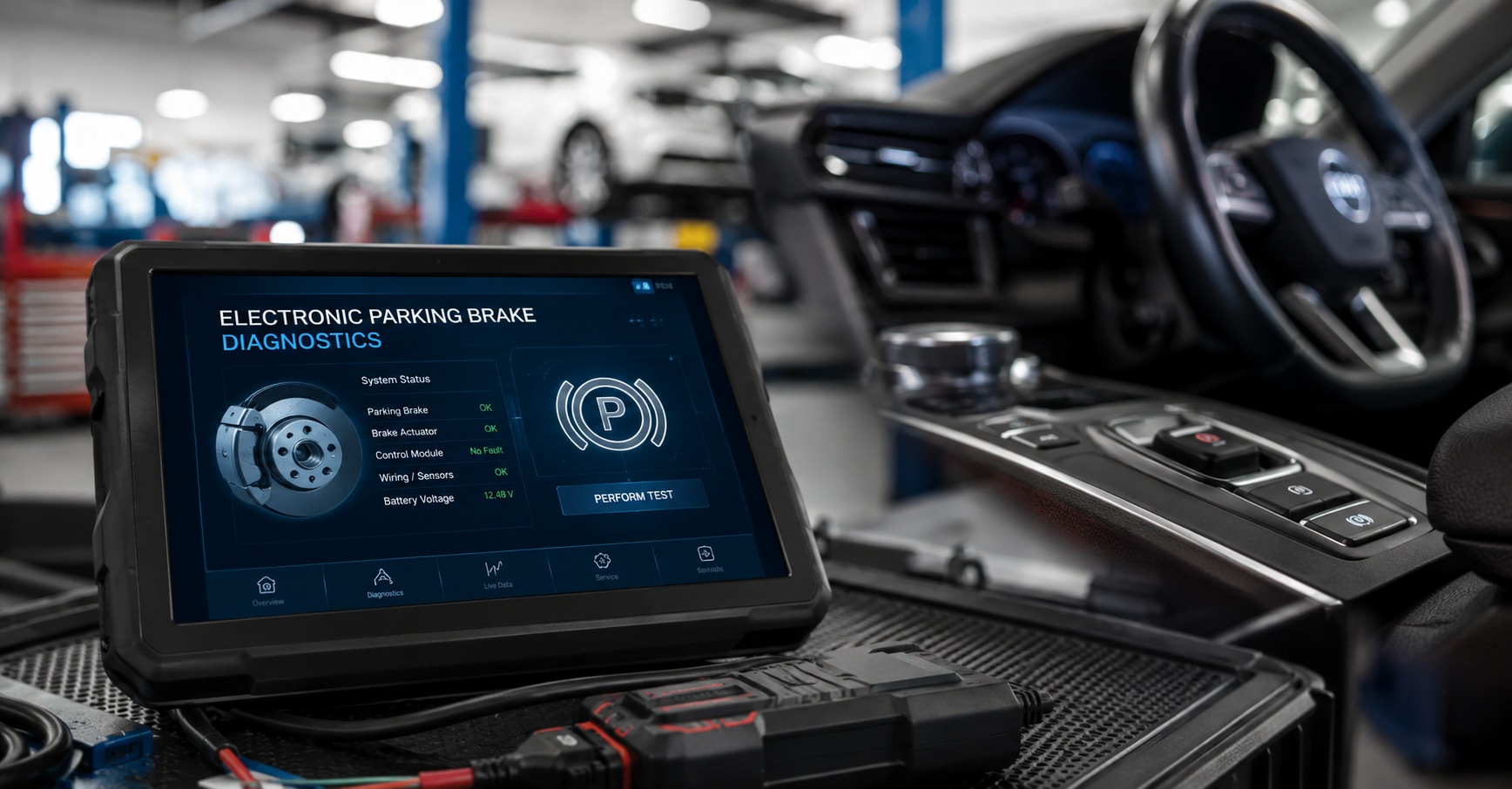
Electronic parking brake service
Electronic Parking Brake

Why EPB Work Needs Specialist Calibration

An electronic parking brake is a small computer-controlled motor on each rear caliper. It does not have a cable you can simply tighten — it has a zero-point that must be recalibrated electronically after every pad change.

Skip that step and the motor thinks the pads are thick when they are thin. The result is either a brake that does not hold on a slope, or pads that drag, overheat and wear out in weeks. Neither is safe, and both cost far more than the calibration.

  • Never force or manually retract an EPB motor
  • Always recalibrate after pad or disc replacement
  • Service the caliper motors — they seize in dusty conditions
  • Test hill-hold and release before collecting the vehicle
Suspension and chassis safety
Suspension & Chassis

Suspension Is A Braking Component

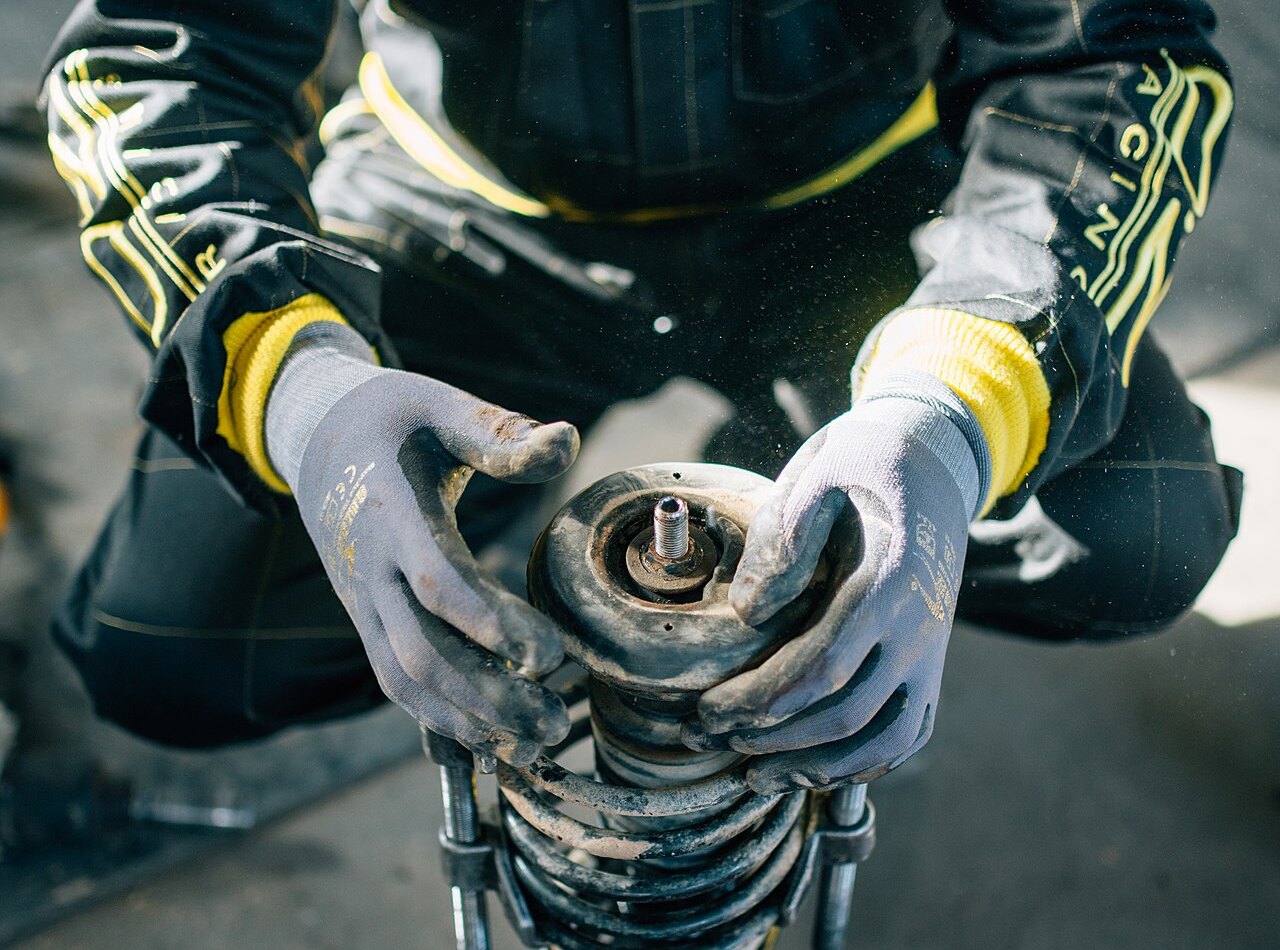
Most drivers think of suspension as comfort. In reality your shocks, struts and bushes keep the tyres in contact with the road — and under hard braking, weight transfer is brutal.

Worn dampers let the nose dive, unload the rear axle and lengthen stopping distance significantly. On a loaded bakkie or an overlanding 4x4 this effect is multiplied. That is why every Raw 4x4 suspension upgrade we fit is followed by a laser alignment and a loaded road test.

Bounce test
Leak inspection
Bush condition
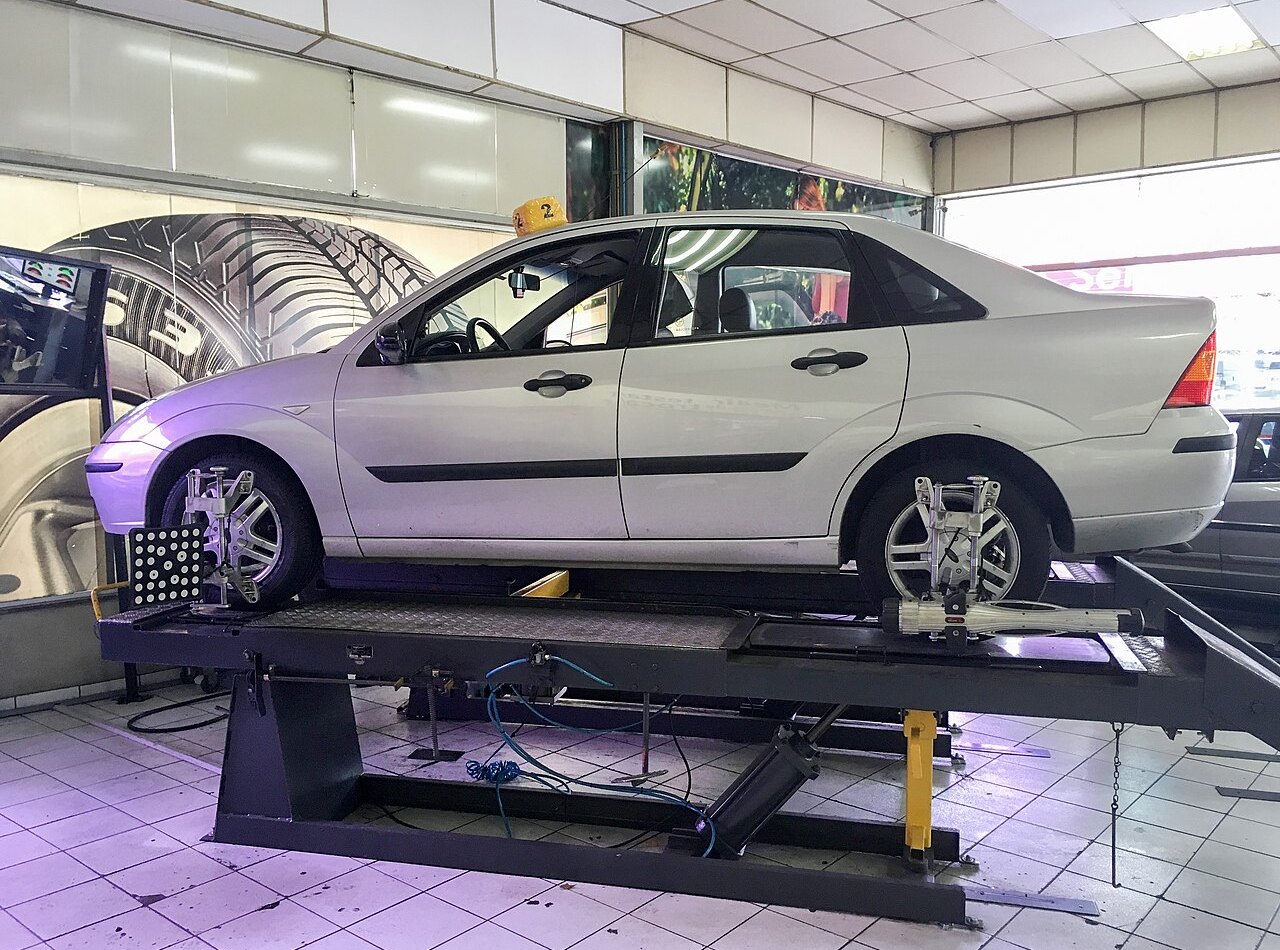
Laser alignment
Our Commitment

The Safeline Standard On Every Job

Written multi-point report

Pad thickness, disc wear, fluid moisture, caliper freedom and handbrake tension — recorded, not guessed.

Torque to specification

Every caliper bolt, wheel nut and suspension fastener is tightened with a calibrated torque wrench.

Road test before hand-over

We drive the vehicle and verify braking behaviour before you get the keys back.

Correct parts, correct spec

Safeline pads matched to your disc, correct DOT fluid, proper high-temperature caliper grease.

Plain-language explanation

You get told what we found and what it means — no jargon, no invented faults.

Safety sign-off

A written confirmation that the vehicle is roadworthy, or a clear list of what still needs doing.

Book on WhatsApp
Copied!